





Why Choosing a Medically Trained Injector Matters More Than You Think
With injectables like dermal fillers and wrinkle-relaxing treatments more accessible than ever, we’re seeing them offered not just in clinics – but in beauty huts, spare bedrooms, and even garden sheds.
But here’s a question:
Would you really trust your face in a place like that?
It’s not just a hypothetical. A recent BBC investigation exposed the growing number of unqualified and unregulated individuals offering aesthetic treatments in unsafe environments – some without even basic medical knowledge.
Injectables Are Medical Treatments, Not Beauty Services
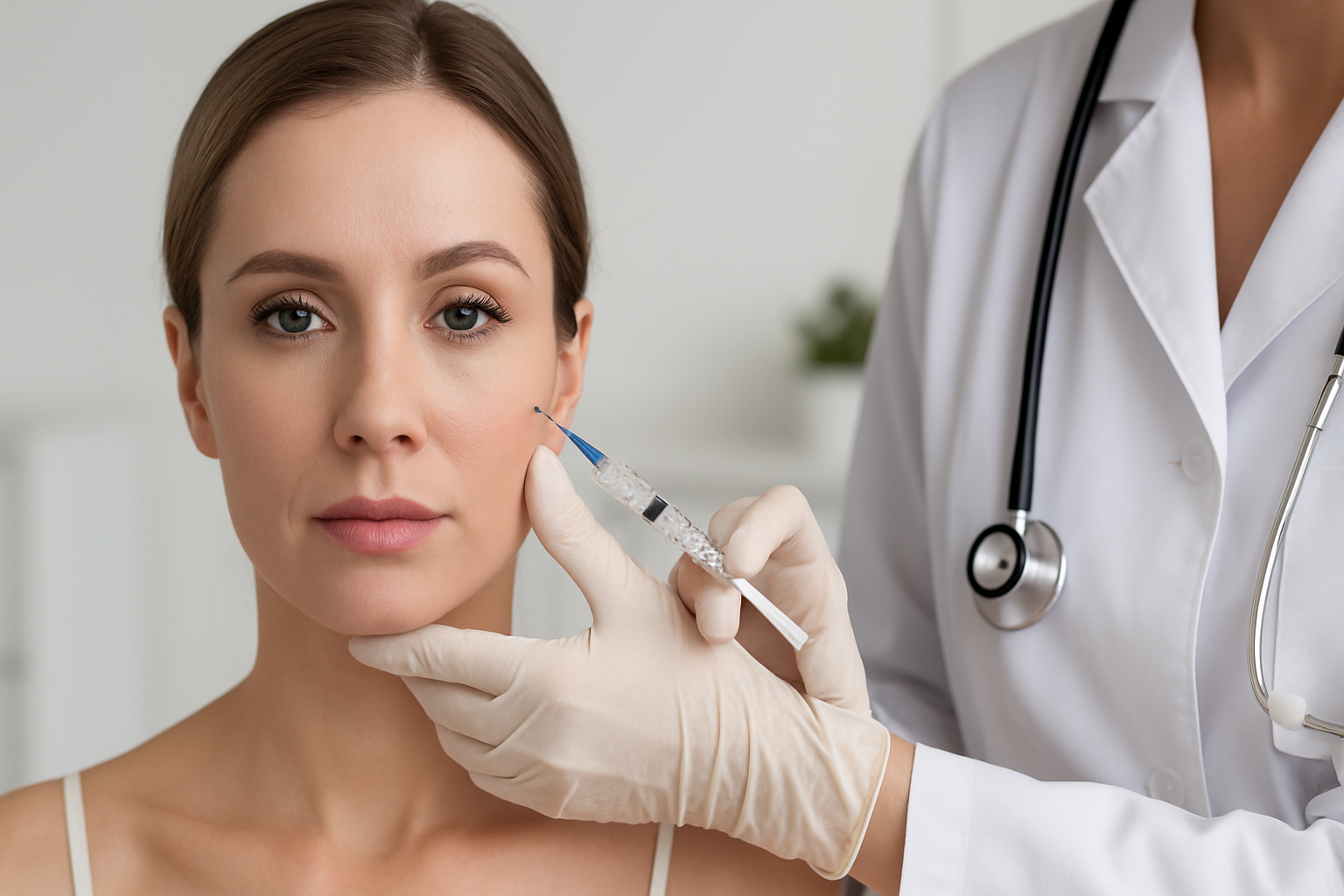
Injectables may seem like a quick beauty fix, but they are medical procedures that involve:
- Needles or cannulas
- Prescription-only medicines
- Injections into facial structures like muscles, fat pads, and blood vessels
When performed incorrectly, the risks are significant
- Vascular occlusion (blocked blood supply)
- Infection
- Tissue death
- Lumps, migration, or facial asymmetry
- In extreme cases, blindness
These aren’t minor side effects – they are serious medical complications that require immediate intervention by a trained clinician.
Why Medical Training Matters
A medically trained injector –such as a dentist (like Dr Harry), doctor or nurse prescriber – brings years of training in:
- Anatomy and pharmacology
- Infection control and emergency care
- Managing complications if things go wrong
They work in sterile, regulated environments and have access to prescription medication and reversal agents like hyaluronidase.
In contrast, many unregulated practitioners offering budget treatments operate:
- In non-clinical settings (sheds, bedrooms, back rooms)
- Without any formal medical background
- Without insurance, supervision, or access to prescription-only products
- Often using black market or unlicensed products
The BBC investigation uncovered just how easy it is for unqualified individuals to obtain and administer these treatments – with little accountability when something goes wrong.
The Dangers of “At-Home” Injectables
We’ve met patients who have had filler injected in kitchens, wrinkle treatments in garden cabins, and even lip enhancements done at parties. The promise? “Quick and cheap.” The result? Often regret – and sometimes worse.
In almost every case, they come to us after the fact, needing corrections or medical intervention.
Non-clinical environments pose real risks – it’s important to understand what qualifies as a safe setting for medical aesthetic procedures.
💬 What to Ask Before You Book
Before you agree to any aesthetic treatment, ask these five questions:
- Is the injector medically qualified and regulated?
- Are they working in a clinical, sterile environment?
- Can they explain the risks and manage complications?
- Are they using prescribed, legal products?
- Do they carry medical insurance and follow GMC/NMC/GDC standards?
If the answer to any of these is “no” or “I’m not sure,” walk away.
Your Face Deserves Qualified Hands
We offer expert care, regulated products, and practitioners who understand the risks and how to manage them. You deserve expert care, safe products, and someone who can put your safety first – not just your selfie.
At our clinic, every treatment is carried out by medically trained professionals. We believe in transparency, clinical safety, and natural-looking results that put your wellbeing above all else.
📩 Considering Treatment? We are Here to Help.
If you’re thinking about injectables but feeling unsure where to start, we’re happy to talk—no pressure, no judgement. Just honest, evidence-based advice in a clean, professional setting.
Please send us a message or get in touch by calling 01438 300 111 for your free consultation.
Back to NewsCategories
Get in touch